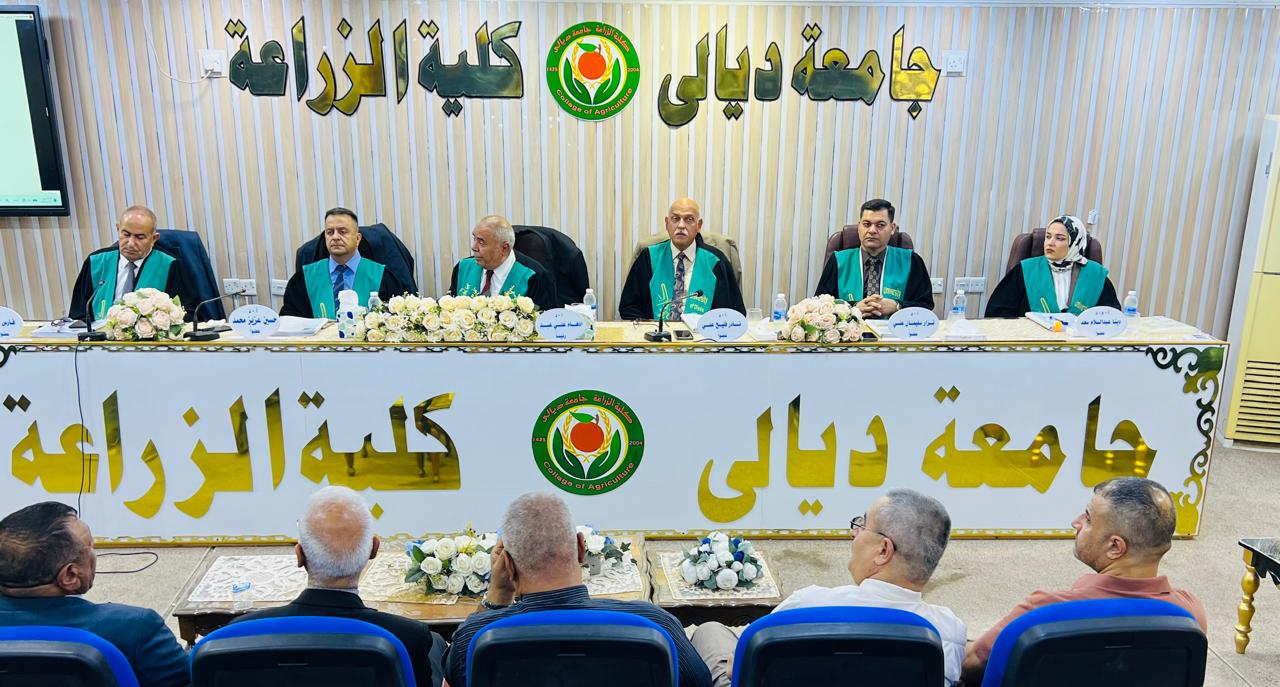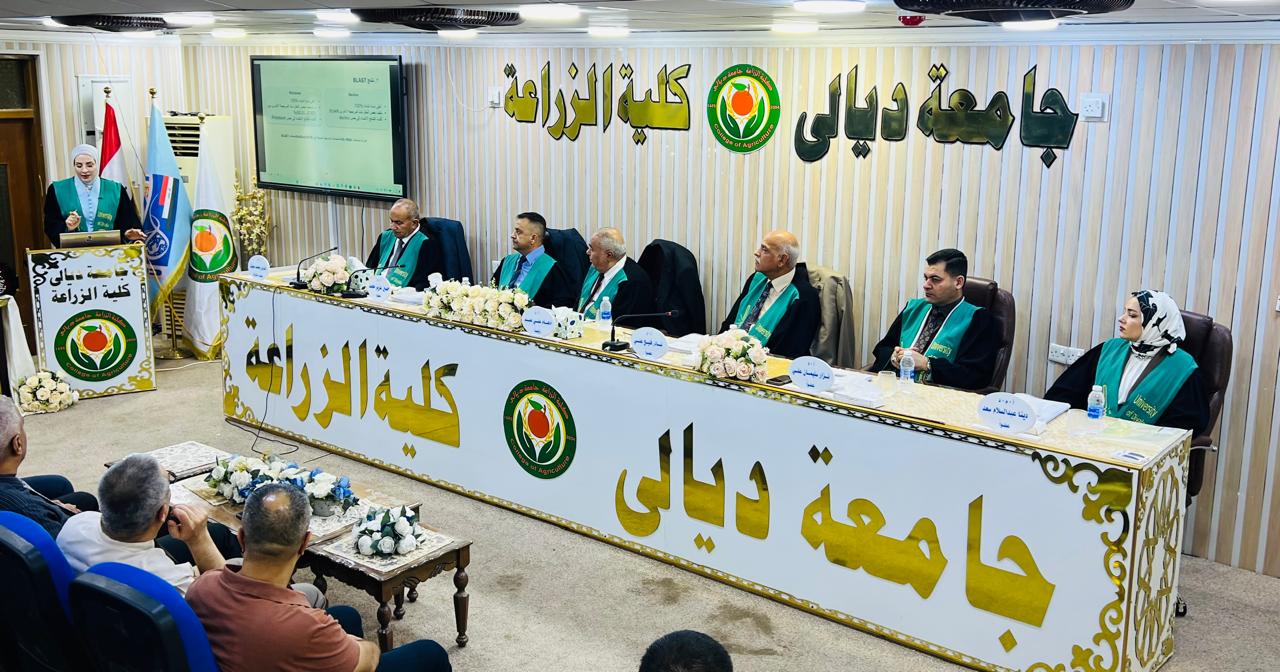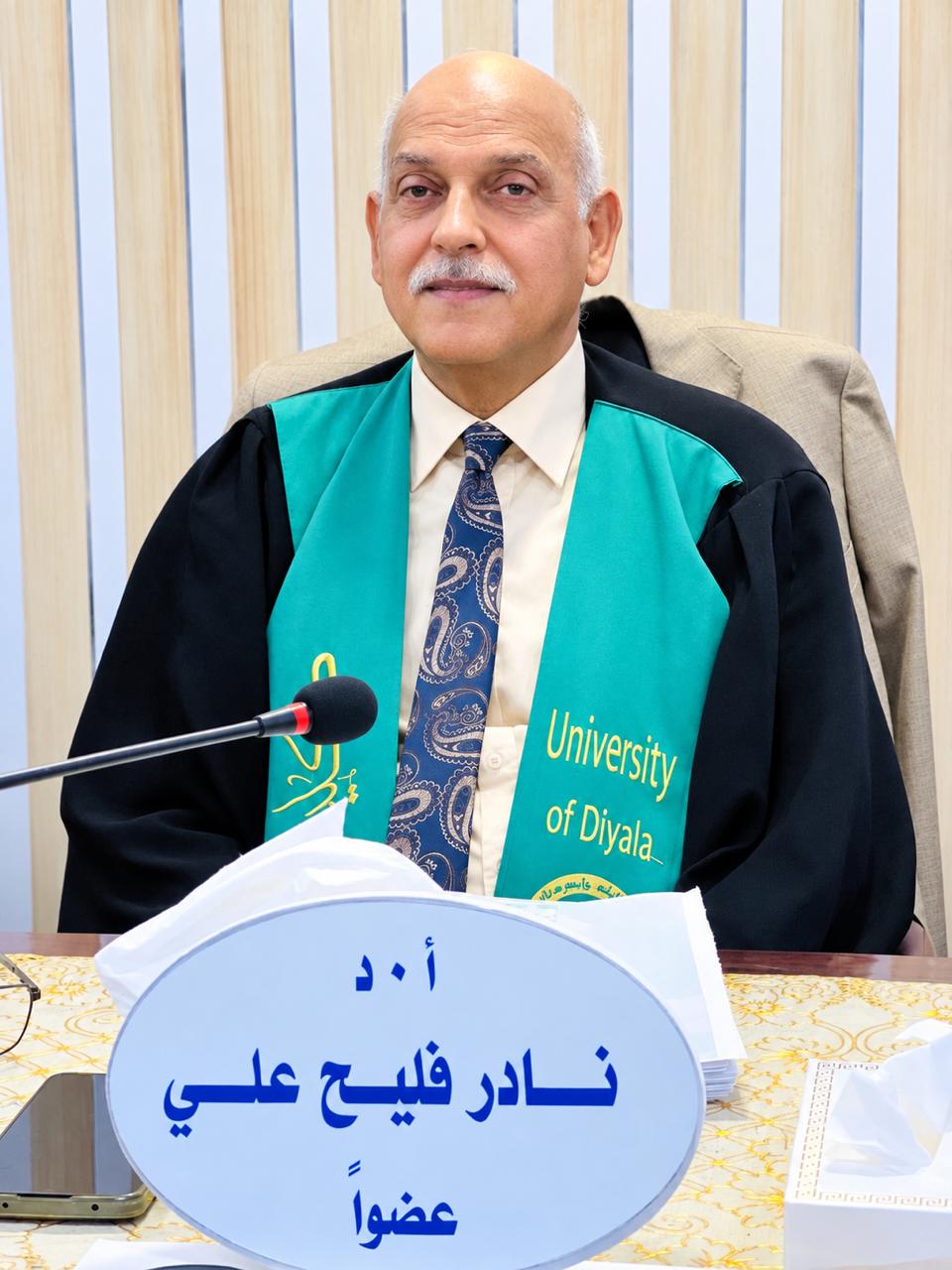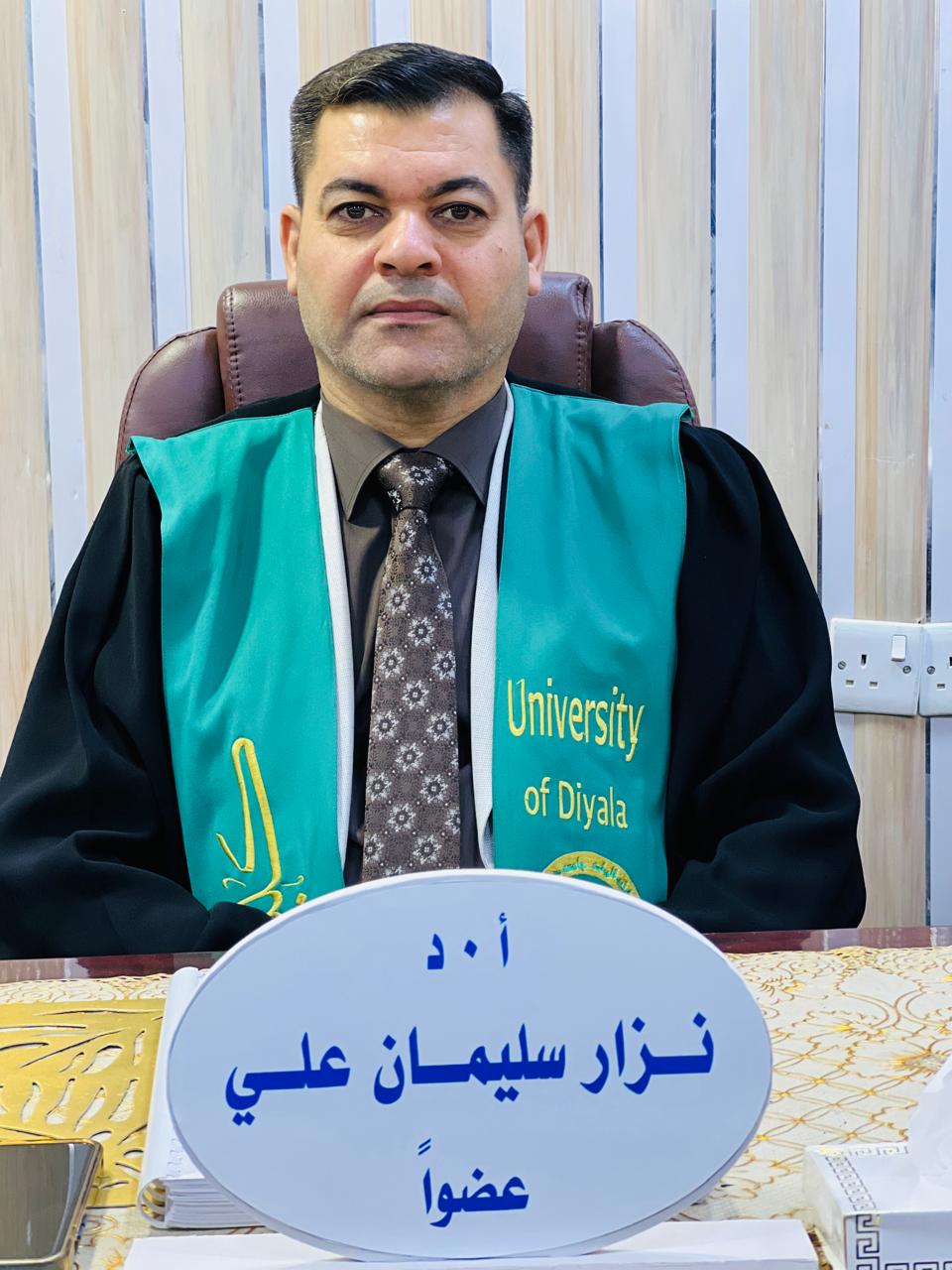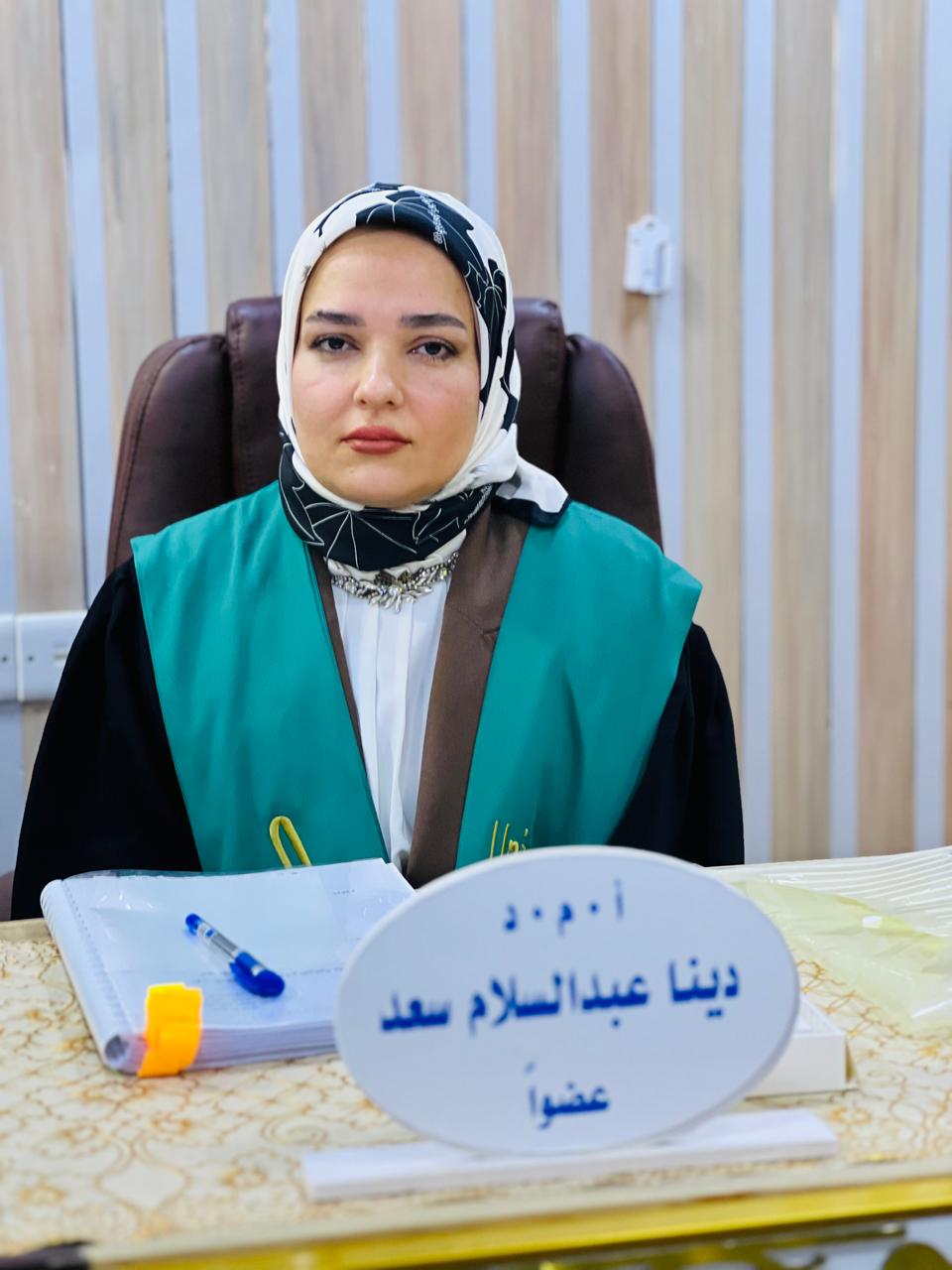
A Doctoral Dissertation Submitted to the College of Agriculture Investigating the Role of Bioremediation and Phytoremediation Using the Hartman Plant in the Removal of Gas Oil Contaminants from Soil.
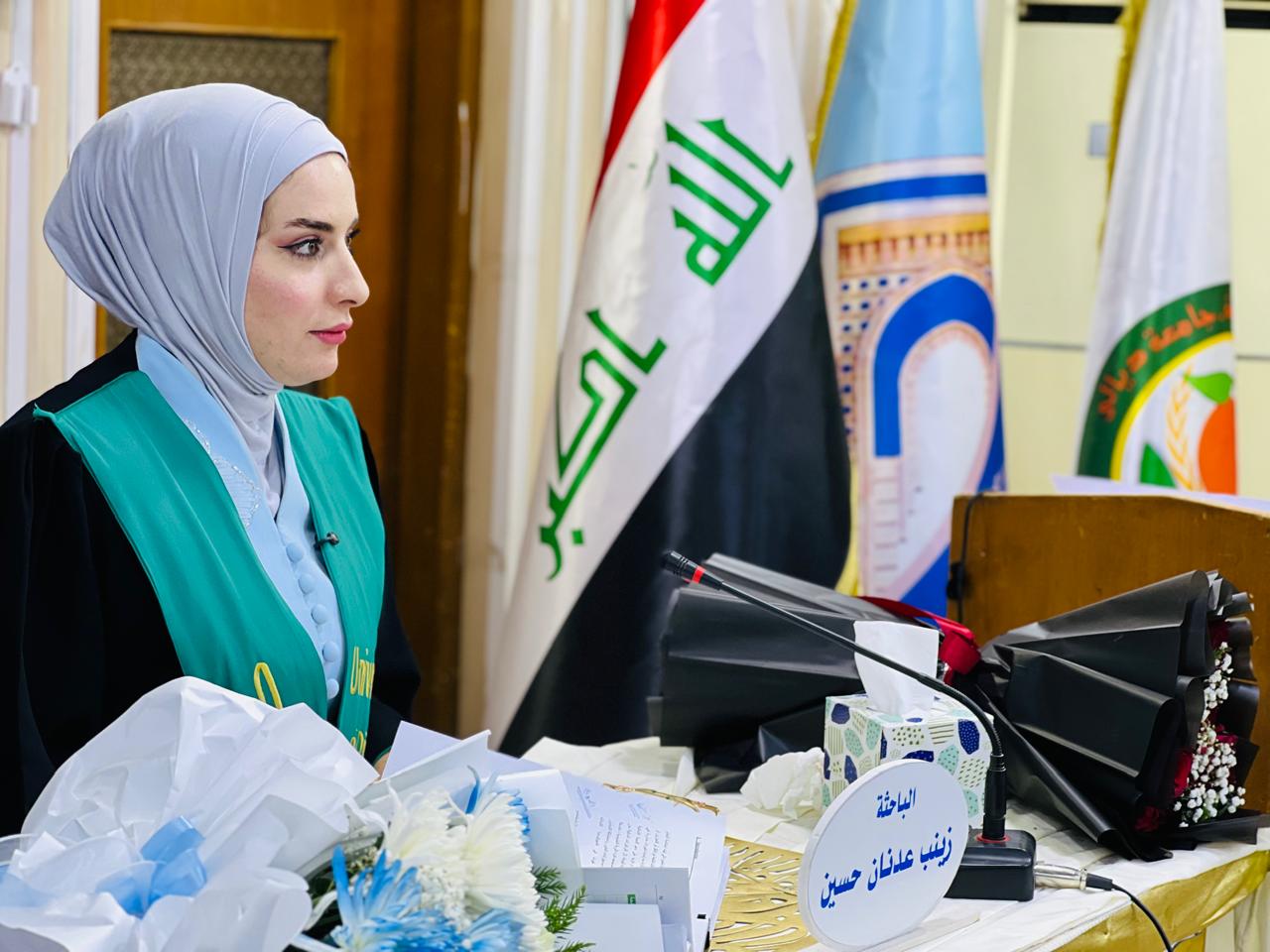
“The Role of Bioremediation and Phytoremediation Using the Hartman Plant in the Removal of Gas Oil Contamination from Soil.”
The study, conducted by doctoral candidate Zainab Adnan Hussein, yielded several significant findings, including the following:
Biological treatments demonstrated statistically significant superiority in improving plant growth parameters, particularly those involving mycorrhizal fungi. Bacterial isolates, when applied in combination with gas oil and biochar, exhibited superior performance in terms of the quantity of gas oil absorbed by plants, the quantity degraded, and the reduction of residual contamination.
Mycorrhizal inoculation recorded the highest quantities of gas oil absorbed and degraded, together with the lowest residual concentration in the soil. Furthermore, rhizobial bacteria immobilised in cocopeat, in combination with gas oil and biochar, recorded the highest population of nitrogen-fixing bacteria. Similarly, Bacillus bacteria immobilised in cocopeat, alongside gas oil and biochar, achieved the highest population of phosphorus-solubilising bacteria.
The study recommends the following:
-
- Extending the duration of field experiments to investigate the persistence of microbial activity and its efficiency in gas oil degradation, while evaluating its effects on restoring soil properties and improving long-term plant growth.
-
- Conducting further research into the potential of the Hartman plant to absorb gas oil and other petroleum derivatives, as well as other environmental contaminants, in conjunction with soil microorganisms.
-
- Investigating the use of gas oil concentrations exceeding those employed in the present study to assess the effectiveness of the proposed remediation approaches under higher contamination levels.
The dissertation is aligned with Sustainable Development Goal 15 (Life on Land), particularly its target of combating land degradation and restoring degraded soils. The application of bioremediation and phytoremediation using the Hartman plant to remove gas oil contaminants from soil contributes to the rehabilitation of polluted lands, the improvement of soil quality, and the mitigation of the environmental consequences of petroleum contamination through the adoption of natural and sustainable soil remediation approaches.
#College_of_Agriculture #Sustainability_Is_Our_Approach