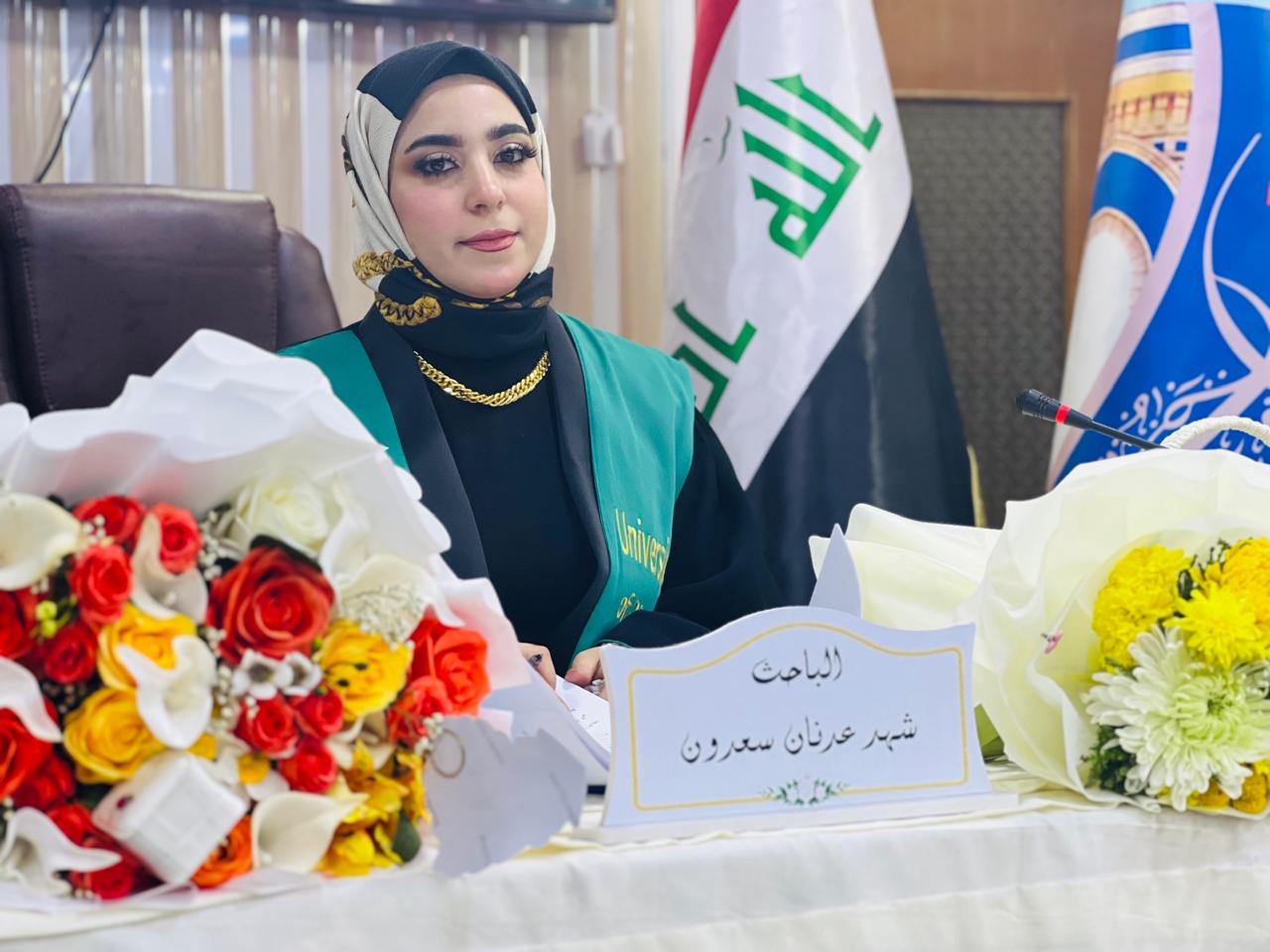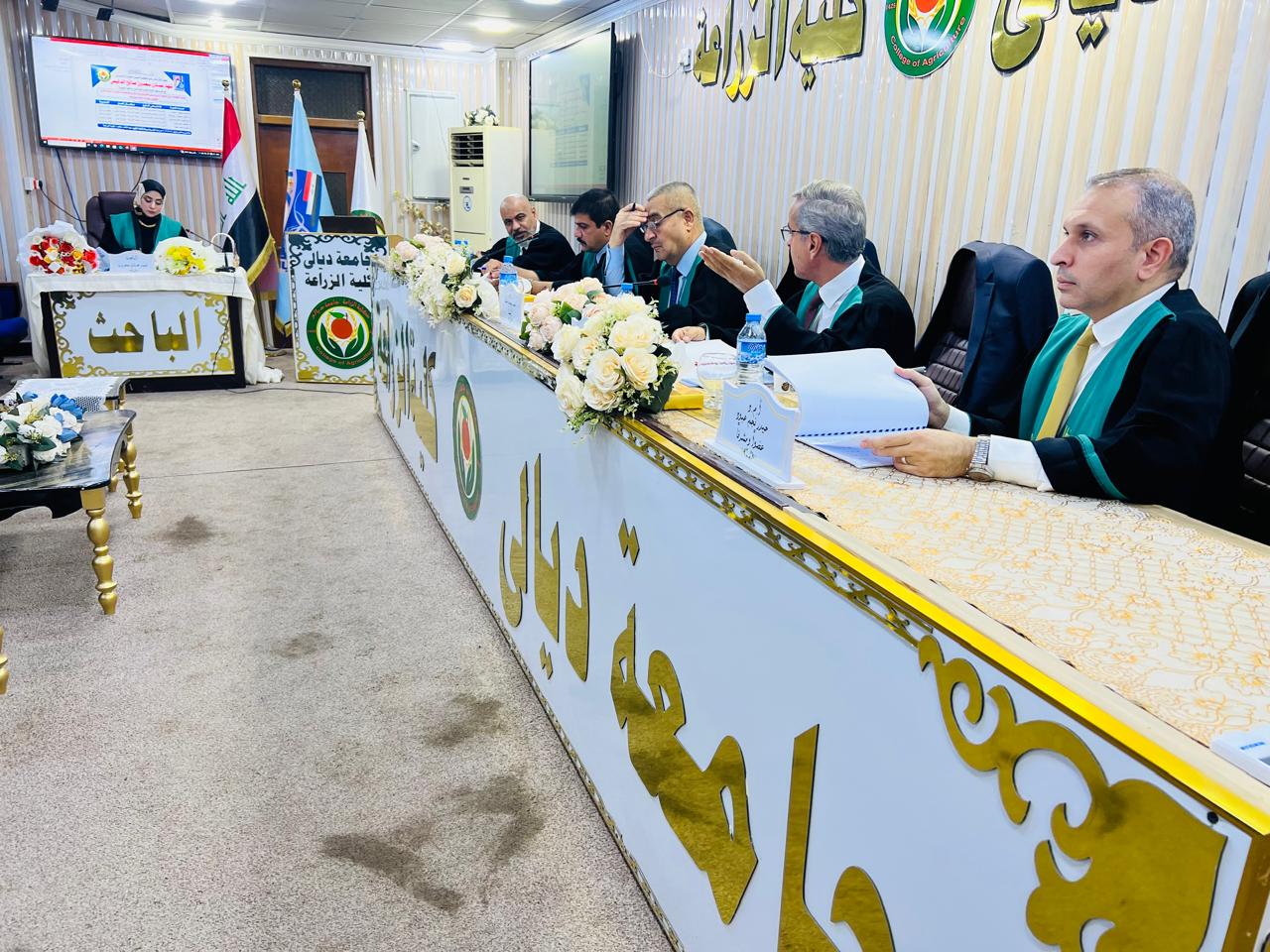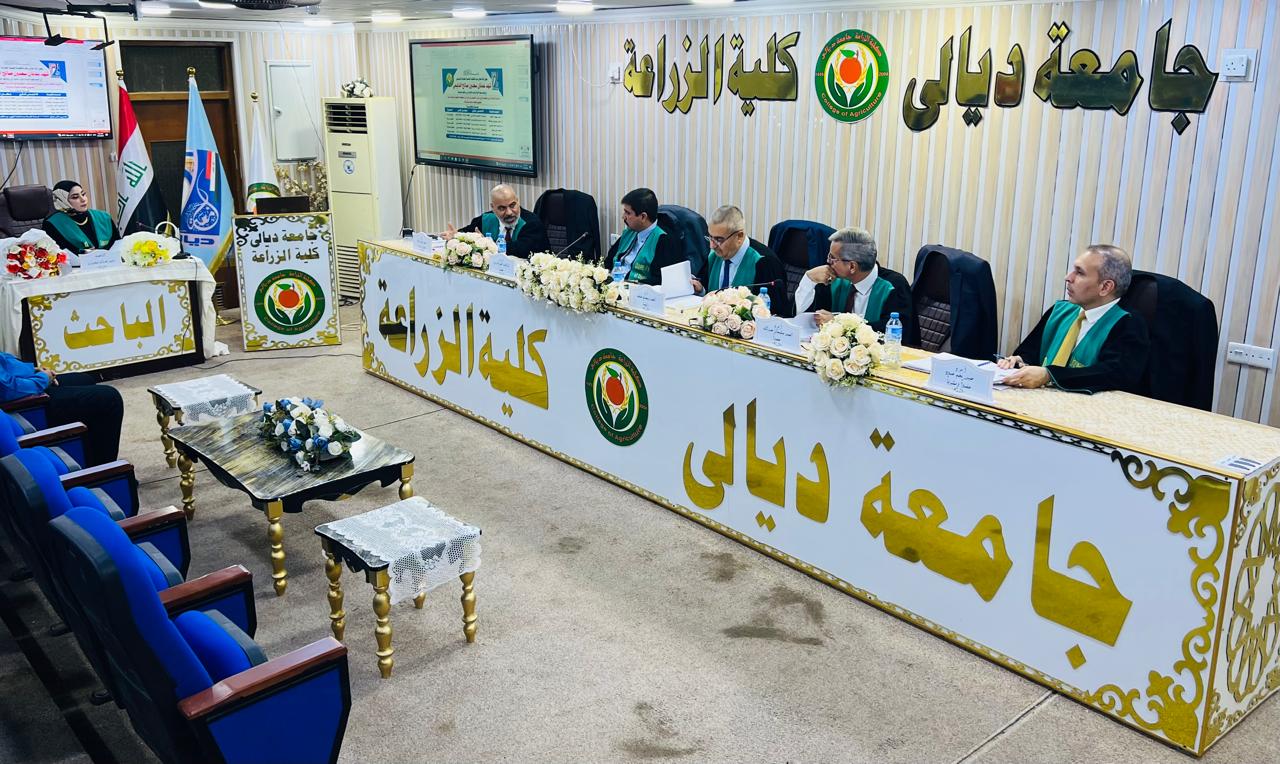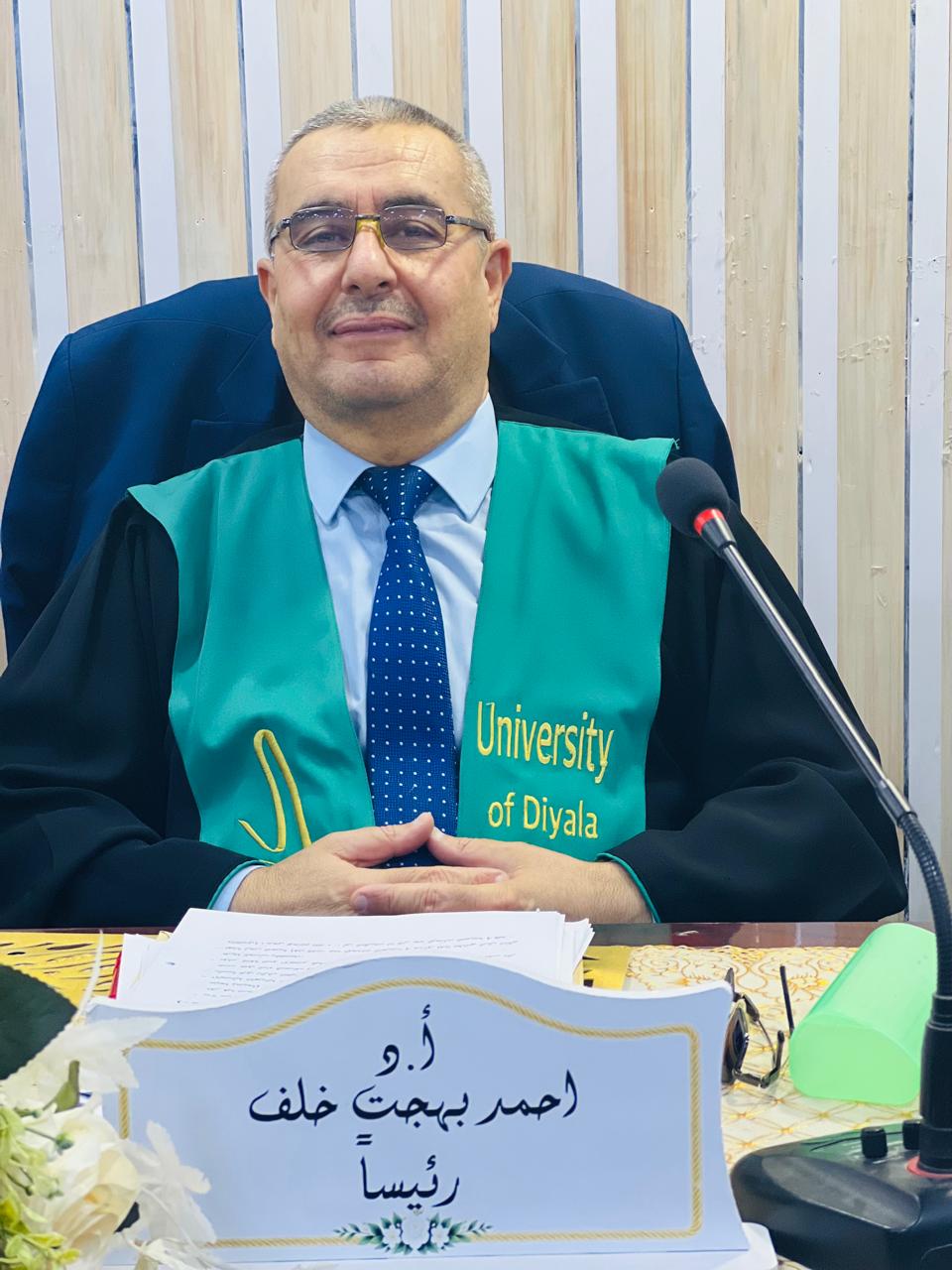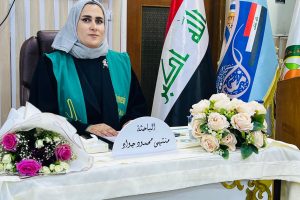
A Master’s Thesis at the College of Agriculture Examines a Comparative Assessment of Smart Irrigation Technologies and Conventional Sprinkler Irrigation in the Irrigation Management of Green Lawns (Bermudagrass), with the Aim of Achieving Sustainable Water-Use Efficiency.
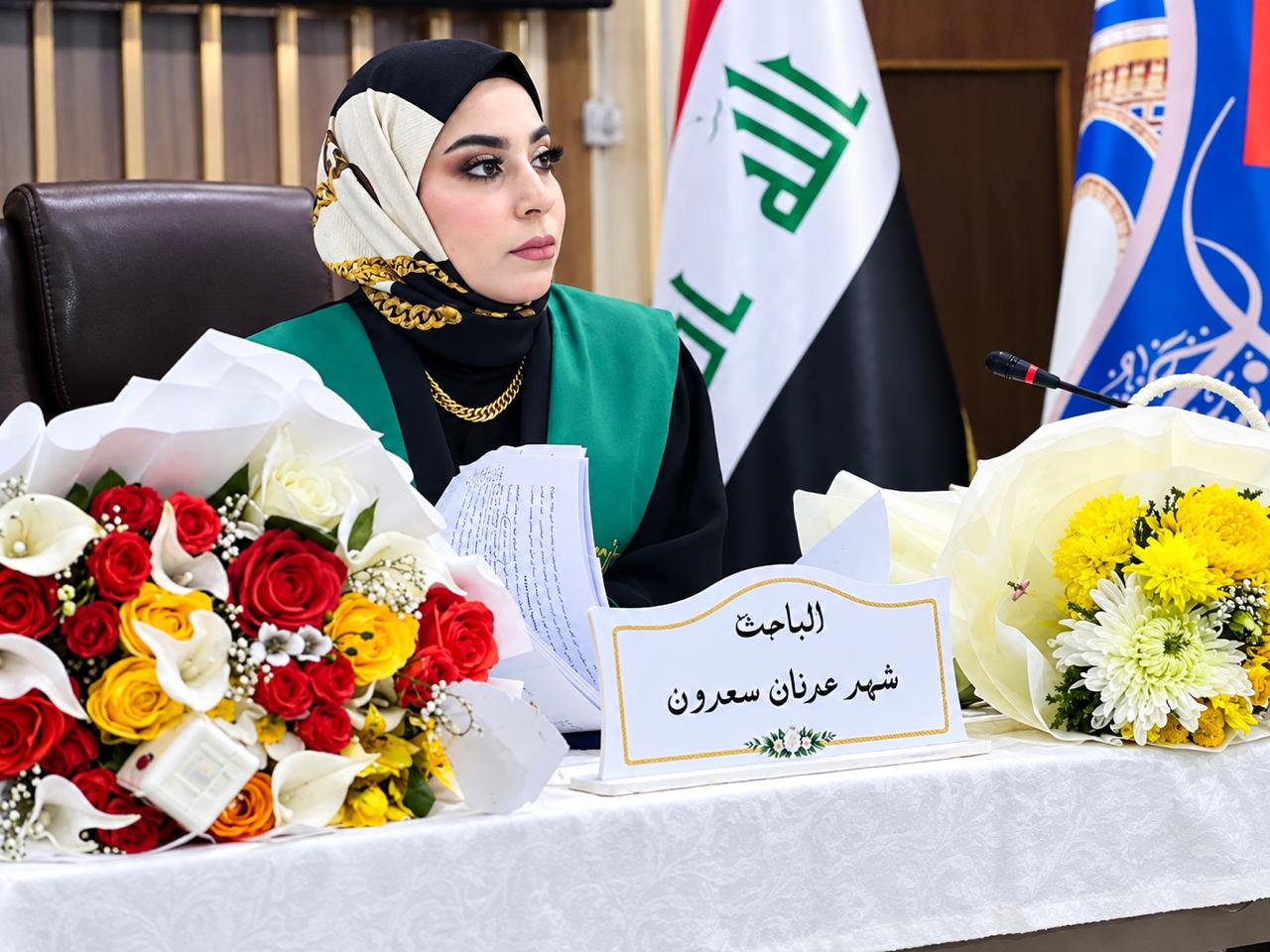
The study, conducted by postgraduate student Shahad Adnan Saadoun, yielded several conclusions, including the superior performance of the smart irrigation system in enhancing water-use efficiency, recording the highest mean value of 0.004, compared with 0.001 under conventional irrigation. Furthermore, the AIS2 interaction achieved the highest value of 0.005, confirming the effectiveness of smart irrigation in reducing water losses and improving water utilisation.
The smart irrigation system also contributed to a statistically significant reduction in soil penetration resistance, recording 0.94333 kg cm⁻², compared with 1.18250 kg cm⁻² under conventional irrigation. This provided a more favourable environment for root development and water movement through the soil. Conversely, saturated hydraulic conductivity, mean weight diameter of soil aggregates, and water infiltration exhibited no statistically significant differences among the experimental treatments, indicating that these properties were less responsive to short-term changes in irrigation management systems.
The study aligns with Sustainable Development Goal 6 (SDG 6): Clean Water and Sanitation, particularly its commitment to ensuring water availability and sustainable water management, through the comparative evaluation of smart and conventional sprinkler irrigation technologies to improve irrigation water-use efficiency and minimise water wastage in Bermudagrass lawns. It also contributes to Sustainable Development Goal 13 (SDG 13): Climate Action.
The study recommended expanding the adoption of smart irrigation systems in the irrigation of agricultural areas, particularly irregularly shaped fields, in view of their demonstrated significant improvements in water-use efficiency and their ability to reduce soil penetration resistance. It also recommended promoting the application of artificial intelligence and Internet of Things (IoT) technologies in irrigation scheduling, based on soil moisture levels and prevailing meteorological conditions, to enhance the efficiency of water resource management. Furthermore, it advocated further research into the effects of smart irrigation on different crops and soils with varying textures, with the aim of identifying the most appropriate irrigation strategies for each agricultural environment.
#College_of_Agriculture_Sustainability_Is_Our_Approach