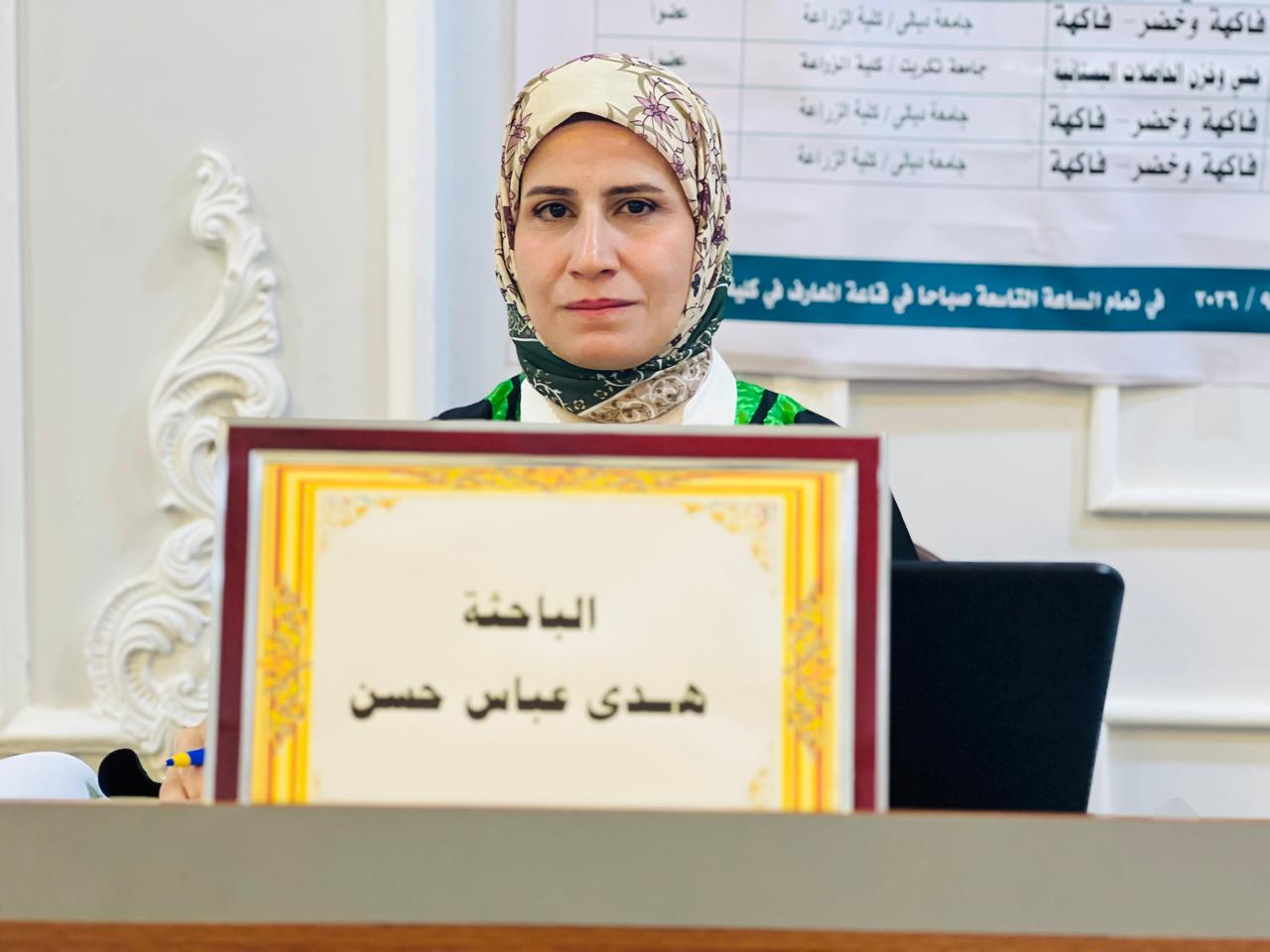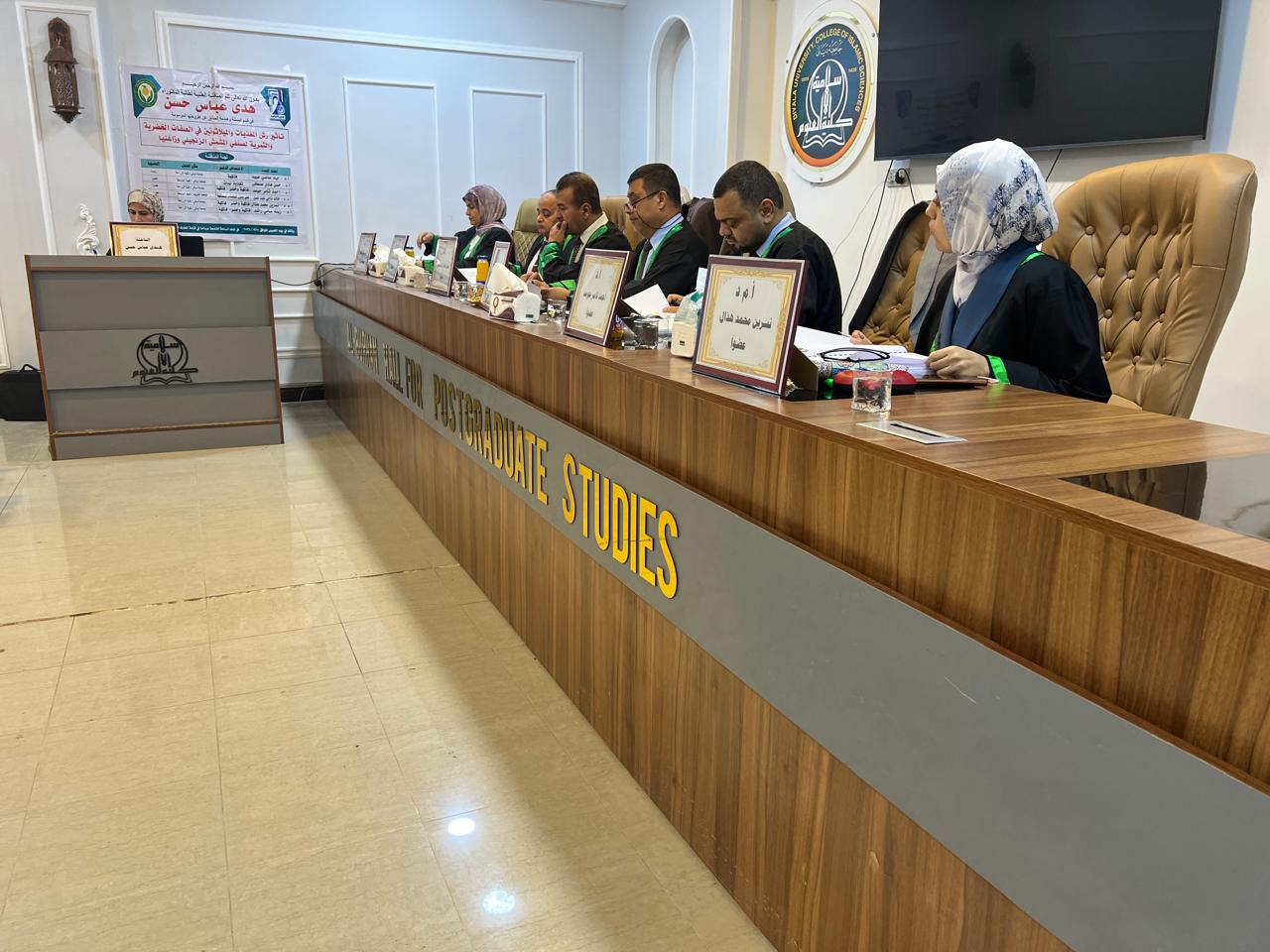
A Doctoral Dissertation at the College of Agriculture Examines “The Effect of Foliar Application of Selected Nutrients and Melatonin on the Vegetative and Fruit Characteristics of the Zingili and Zaghina Apricot Cultivars.”
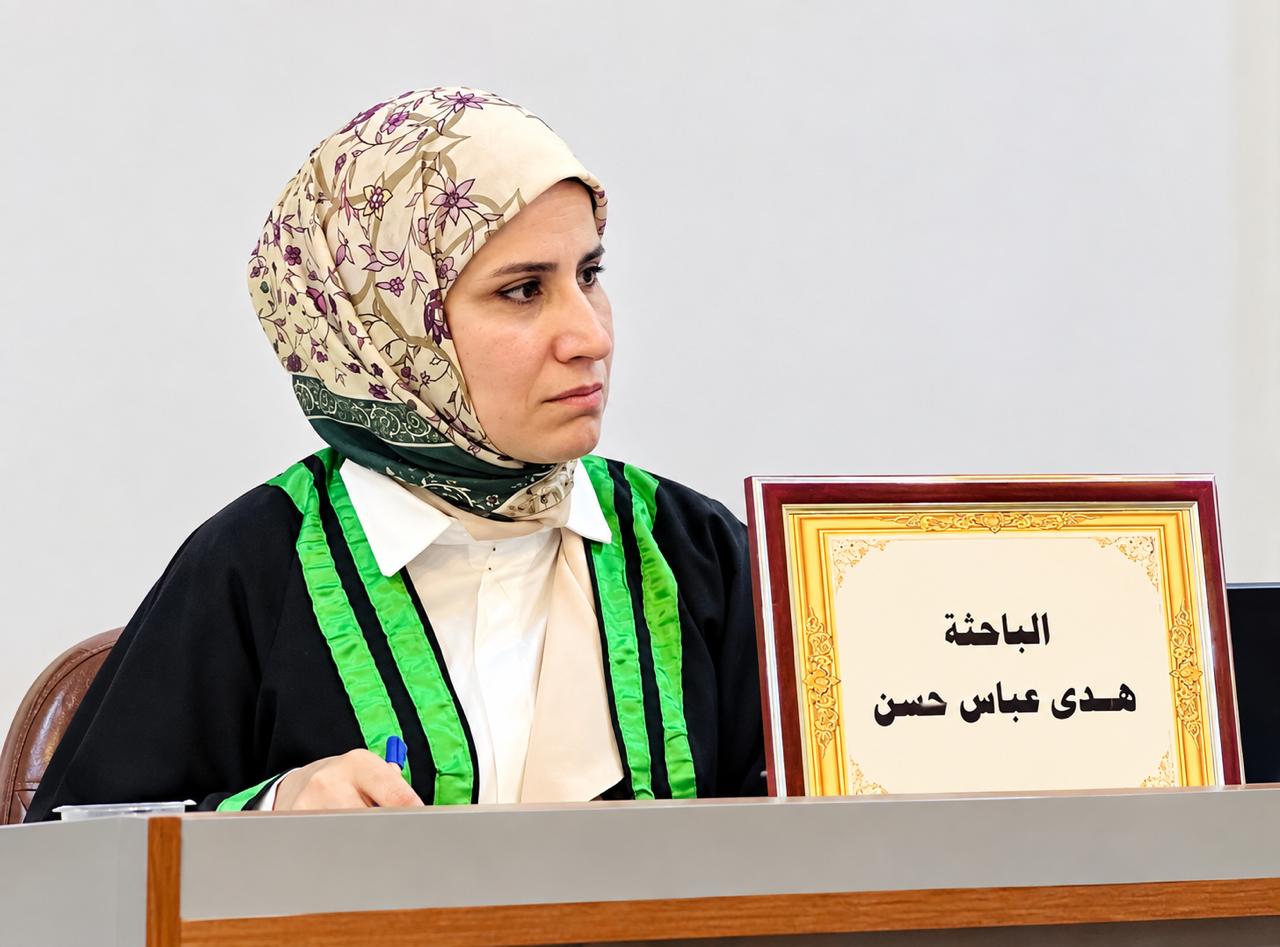
The research, conducted by doctoral candidate Huda Abbas Hassan, yielded several significant findings. The two apricot cultivars, Zingili and Zaghina, exhibited statistically significant differences across most of the investigated characteristics, reflecting genuine genetic variation in their physiological capacities to absorb, assimilate, and distribute essential nutrients throughout plant tissues.
The findings further demonstrated that foliar application of selected nutrients, namely calcium oxide, boron, and sorbitol, improved vegetative growth characteristics and yield attributes. Moreover, melatonin application played a significant role in enhancing vegetative growth, increasing fruit-set percentage, reducing fruit drop, and improving yield characteristics.
The dissertation recommended cultivating the Zingili cultivar when the primary objectives are to enhance vegetative growth, photosynthetic efficiency, and overall tree productivity, as well as to increase fruit number and vitamin C and carotene contents. Conversely, the Zaghina cultivar was recommended for production systems targeting larger fruits with higher total soluble solids, sugar, and phenolic contents.
The study also recommended foliar application of boron to both Zingili and Zaghina apricot trees during flowering and early fruit-set stages to increase fruit-set percentage, reduce fruit drop, enhance total yield, and improve the physical characteristics of fruits, particularly weight, volume, and firmness.
Furthermore, the dissertation recommended foliar application of melatonin at a concentration of 100 mg L⁻¹, identified as the most effective treatment among the concentrations investigated, owing to its comprehensive role in improving vegetative growth, productivity, and fruit quality. Particular emphasis was placed on synchronising application timing with flowering, early fruit-set, and fruit-development stages.
The dissertation contributes to Sustainable Development Goal 2 (SDG 2): Zero Hunger, particularly in relation to promoting sustainable agriculture and enhancing agricultural productivity. By investigating vegetative growth characteristics and evaluating differences between apricot cultivars, the research helps identify cultivars with superior growth performance and greater adaptability to environmental conditions. This, in turn, supports improved crop production efficiency, informed cultivar selection, increased agricultural output, and the advancement of more sustainable agricultural practices.
#College_of_Agriculture_Sustainability_Is_Our_Approach