A Master’s Thesis at the College of Agriculture Examines the Effects of Chelated Zinc and Humic Acid Application, Along with Tryptophan Foliar Spraying, on the Growth and Yield of Maize (Zea mays L.).
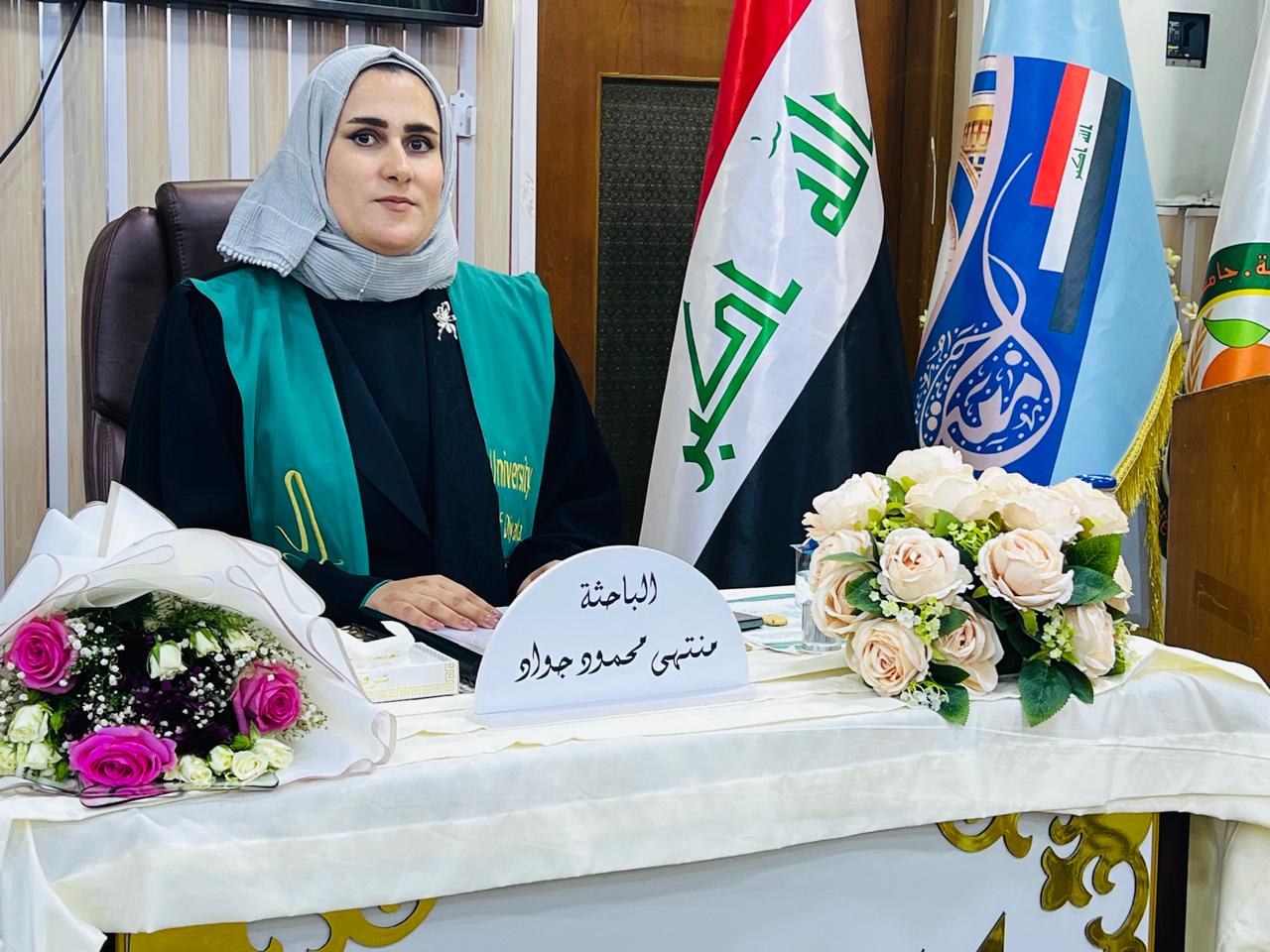
The study, conducted by postgraduate student Muntaha Mahmoud Jawad Hassan, aimed to investigate the effects of zinc application, humic acid application, and tryptophan foliar spraying, both individually and in combination, on various soil properties under saline stress conditions. It also sought to assess the effects of these treatments and their interactions on the growth and yield of maize under conditions of salinity stress.
The study recommended the application of zinc as an essential and independent treatment, owing to its significant effectiveness in enhancing vegetative growth and yield characteristics, as well as improving the properties of salt-affected soils. It also recommended the use of humic acid to ameliorate soil properties under saline conditions. Furthermore, the study advocated the combined application of the highest treatment levels investigated, namely, zinc at 10 g plant⁻¹, humic acid at 5 g plant⁻¹, and foliar application of the amino acid tryptophan at a concentration of 100 mg L⁻¹.
The study contributes to the achievement of Sustainable Development Goal 2 (SDG 2): Zero Hunger, and Sustainable Development Goal 12 (SDG 12): Responsible Consumption and Production.
#College_of_Agriculture_Sustainability_Is_Our_Approach