• Home
  • About College
    • Dean’s Message
    • Vision and Objectives
    • College Statisitic
    • Faculty Deanship
      • The Dean of College
      • Duties and Responsibilities
      • Associate Dean for Scientific Affairs
    • Staff
      • The Staff of College 
      • Curriculum Vitae
      • Thesis
    • Faculty Council
      • Members
      • The Authorities
  • College Depart.
    • Horticulture and Landscape
      • Department Members
      • The Courses
    • Animal Production
      • Department Members
      • The Courses
    • Field Crops
      • Department Members
      • The Courses
    • Soil Science and Water Resources
      • Department Members
      • The Courses
  • Journal of College
  • Guidance & Rules
    • Admissions
      • Undergraduate
      • Graduate
    • Alumni
  • E-Information
  • Digital content repository
  • Study in Iraq
  • Apps & Forms
  • العربية
  • +9647711959575
  • agricontactus@uodiyala.edu.iq
  • Sun - Thu: 7 am - 3 pm
Twitter Google-plus-g Telegram Youtube Facebook-f
كلية الزراعة | جامعة ديالى
  • Home
  • About College
    • Dean’s Message
    • Vision and Objectives
    • College Statisitic
    • Faculty Deanship
      • The Dean of College
      • Duties and Responsibilities
      • Associate Dean for Scientific Affairs
    • Staff
      • The Staff of College 
      • Curriculum Vitae
      • Thesis
    • Faculty Council
      • Members
      • The Authorities
  • College Depart.
    • Horticulture and Landscape
      • Department Members
      • The Courses
    • Animal Production
      • Department Members
      • The Courses
    • Field Crops
      • Department Members
      • The Courses
    • Soil Science and Water Resources
      • Department Members
      • The Courses
  • Journal of College
  • Guidance & Rules
    • Admissions
      • Undergraduate
      • Graduate
    • Alumni
  • E-Information
  • Digital content repository
  • Study in Iraq
  • Apps & Forms
  • العربية

News

  • Home
  • Blog
  • News
  • A doctoral dissertation at the Faculty of Agriculture.

A doctoral dissertation at the Faculty of Agriculture.
  • Categories News
  • Date November 2, 2024

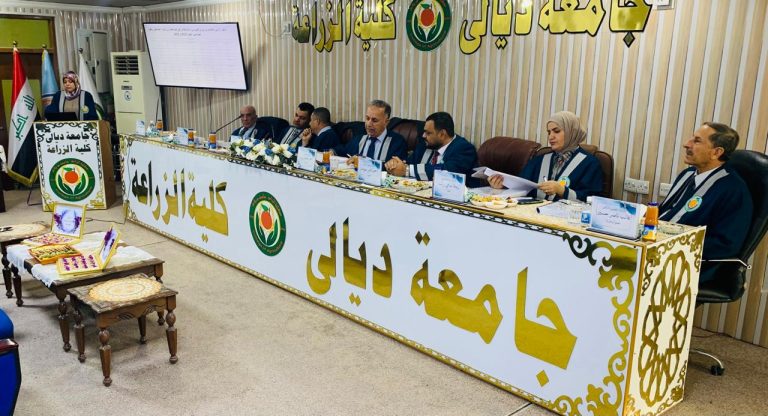
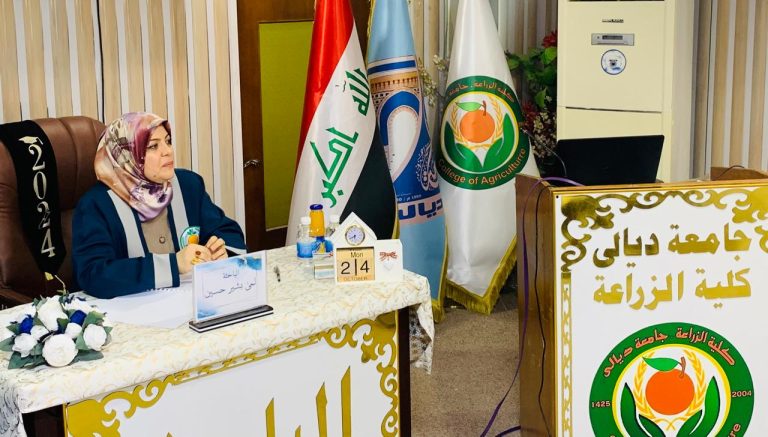
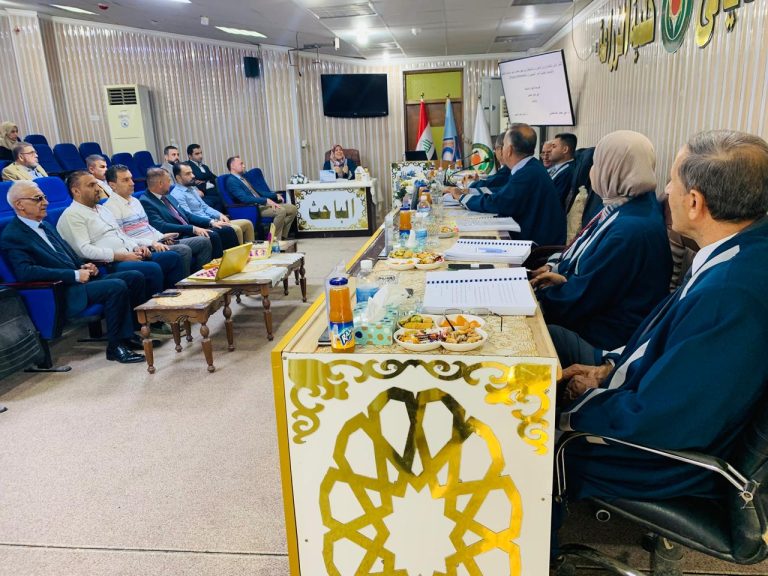
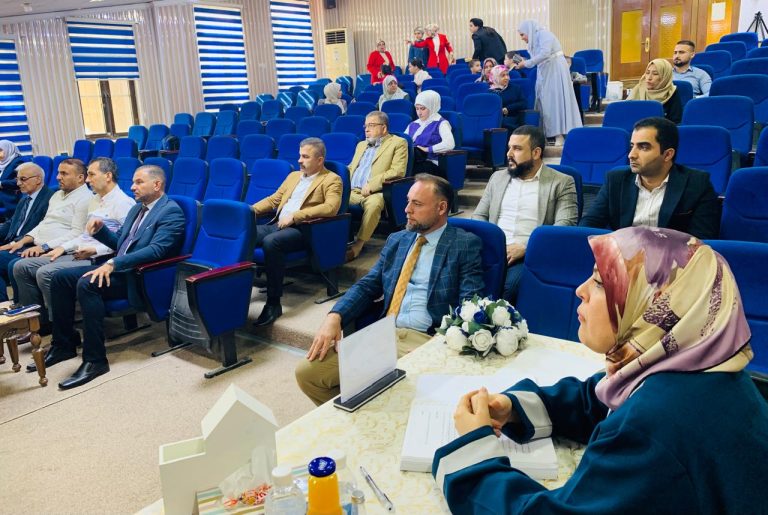
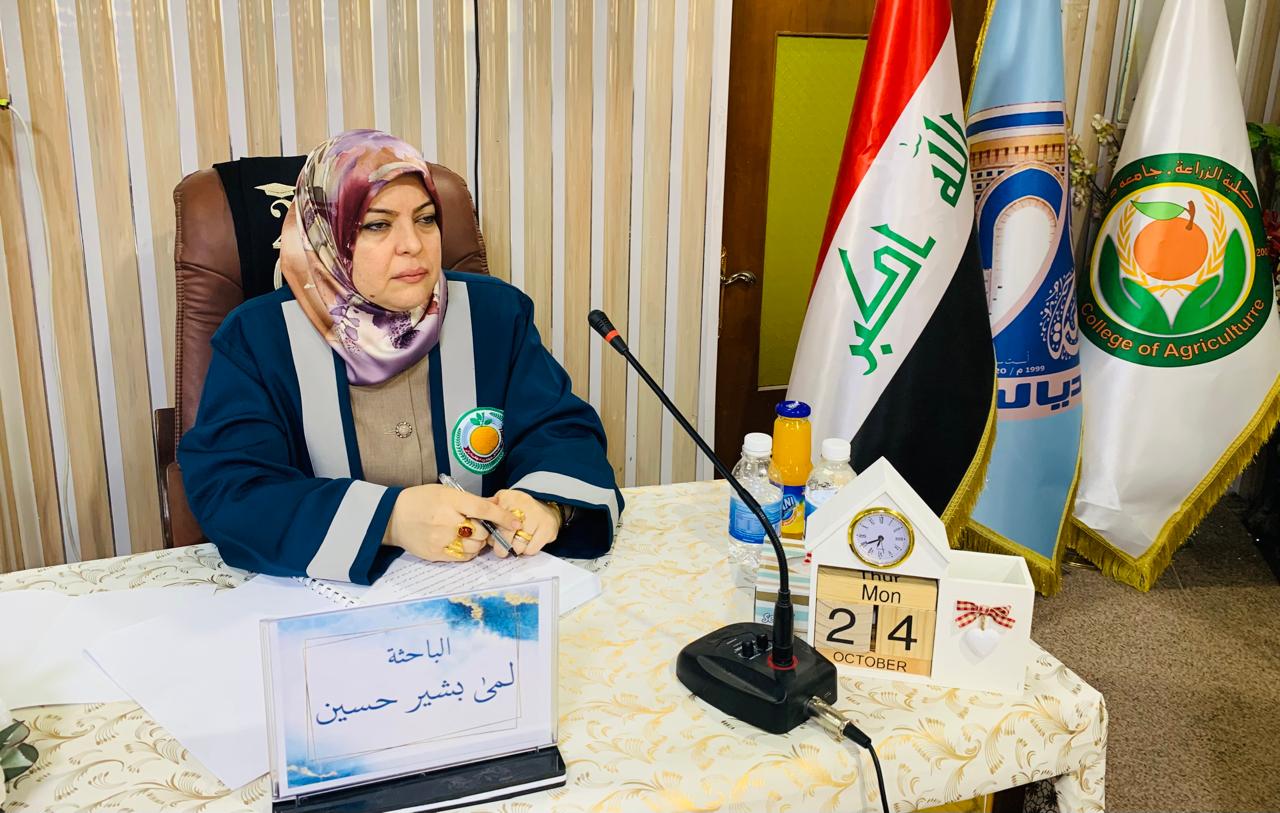
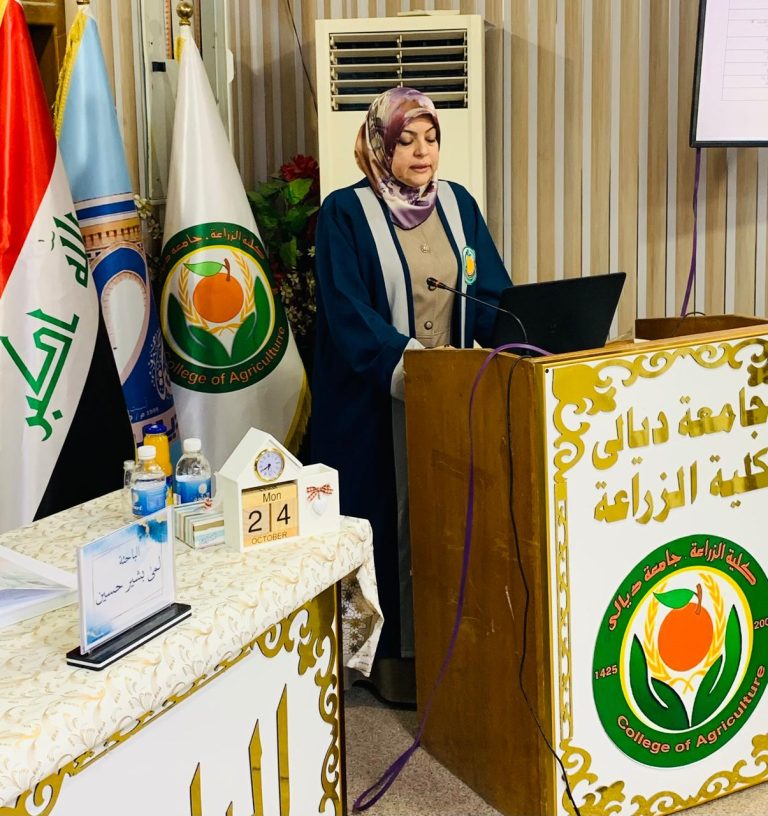
The College of Agriculture at the University of Diyala discussed a doctoral dissertation entitled The Effect of Spraying with Thidiazuron, Boron, and Tryptophan on Certain Growth Traits, as well as Quantitative, Qualitative, and Storage Characteristics of Apricot (Prunus armeniaca L.) Fruits. This study, presented by student Lama Bashir Hussein, sought to examine the impact of thidiazuron, boron, and tryptophan sprays in boosting productivity by increasing fruit set rates, reducing fruit drop, and enhancing the marketability of apricot fruits.

The study yielded several conclusions, including:

  • The DNA Sequence Marker technique demonstrated high efficiency in studying the genetic diversity among four local apricot cultivars, highlighting its potential utility in breeding and improvement programs.

  • Phenotypic analysis of the four cultivars showed that the Amousha cultivar was the most tolerant to low temperatures during the stone-hardening stage.

In the field experiment, applying thidiazuron at a concentration of 20 mg/L and boron at 100 mg/L as foliar sprays on apricot trees improved vegetative growth traits, such as leaf area, dry matter content, total chlorophyll, and leaf chemical characteristics. Additionally, it increased the fruit set rate, reduced fruit drop, and enhanced yield quality. Foliar spraying with the amino acid tryptophan at 100 mg/L also improved most vegetative and yield traits. Interactions between thidiazuron at 20 mg/L and boron at 100 mg/L enhanced most of the traits studied.

For the storage experiment, the field spraying treatment had a positive effect on maintaining fruit quality at the end of refrigerated storage. Immersing apricot fruits in calcium chloride and paracetamol solution yielded the best outcomes for fruit quality after 30 days of cold storage.

The study recommends:

  • Utilizing the DNA Sequence Marker technique to identify genetic variations among other apricot cultivars grown in Diyala Governorate.

  • Employing both phenotypic and molecular characterizations for accurate identification of cultivars, especially as some are beginning to deteriorate.

For the field experiment:

  • Applying foliar sprays of thidiazuron and boron in both autumn and spring, given their positive impact on growth and yield.

  • Investigating the use of other amino acids on apricot trees to assess their effect on the traits studied.

  • Studying the impact of these treatments on other apricot cultivars prone to fruit drop, to improve fruit set rate and reduce drop rate.

For the molecular experiment:

  • Assessing the effects of spraying with growth regulators, nutrients, and amino acids—individually or in combination—before harvest to determine their influence on stored fruit.

  • Exploring natural alternatives to chemical treatments for apricot fruits before storage, such as modern natural extracts, to avoid the negative health effects of chemical treatments.

  • Experimenting with different packaging methods for apricot fruits.
  • Share:
User Avatar
sohiab hameed

Previous post

A doctoral dissertation at the Faculty of Agriculture on the impact of sitosterol and phenylalanine on the growth, yield, and secondary compound content of two okra cultivars under open-field and protected cultivation conditions.
November 2, 2024

Next post

A doctoral dissertation at the Faculty of Agriculture.
November 2, 2024

You may also like

WhatsApp-Image-2025-10-29-at-4.51.28-PM
A researcher from the College of Agriculture publishes a scientific paper in a globally indexed journal.
11 December, 2025
WhatsApp-Image-2025-12-09-at-12.54.51-PM
A faculty member from the College of Agriculture has participated in the authorship of a specialized scientific book entitled: Papaya: Its Cultivation, Production, Environmental Impact, Breeding, and Bioactive Compounds.
9 December, 2025
WhatsApp-Image-2025-12-02-at-1.40.13-PM
The College of Agriculture receives the National Institutional Accreditation Evaluation Team as part of the University of Diyala’s central review tour.
2 December, 2025

Search

LATEST POSTS

A researcher from the College of Agriculture publishes a scientific paper in a globally indexed journal.
11Dec2025
A faculty member from the College of Agriculture has participated in the authorship of a specialized scientific book entitled: Papaya: Its Cultivation, Production, Environmental Impact, Breeding, and Bioactive Compounds.
09Dec2025
The College of Agriculture receives the National Institutional Accreditation Evaluation Team as part of the University of Diyala’s central review tour.
02Dec2025
The College of Agriculture is organizing the Student Cultural Festival under the slogan: ‘Agriculture Inspires, and Art Flourishes.’
27Nov2025
A master’s thesis in the College of Agriculture examines the effect of foliar application of α-tocopherol and salicylic acid on the growth and yield of three tomato hybrids under protected cultivation conditions.
10Oct2025
A Master’s thesis at the College of Agriculture examines the effect of foliar application of the antioxidants ascorbic acid and alpha-tocopherol, along with the addition of NPK compound fertilizer, on the growth and yield of turmeric (Curcuma longa L.).
06Oct2025

COLLEGE OF AGRICULTURE
UNIVERSITY OF DIYALA

  • Iraq, Diyala, Baqubah
  • 009647711959575
  • agricontactus@uodiyala.edu.iq
  • Sun - Thu: 7 am - 3 pm

ABOUT COLLEGE

  • College’s Dean
  • Associate dean for Administrative Affairs
  • Vision, Mission, and Objectives
  • Associate Dean for Scientific Affairs
  • College Fact

COLLEGE DEPARTMENTS

  • Gardening and Landscaping
  • Animal Production
  • Soil Science and Water Resources
  • Field Crops

Important links

  • Link Number One Link Number One
  • Link Number One
  • Link Number One Link Number One
  • Link Number One
  • Link Number One Link Number One

Main Links

  • Link Number One
  • Link Number One Link Number One
  • Link Number One

Contact Us..

Copyright © 2024 agriculture.uodiyala.edu.iq