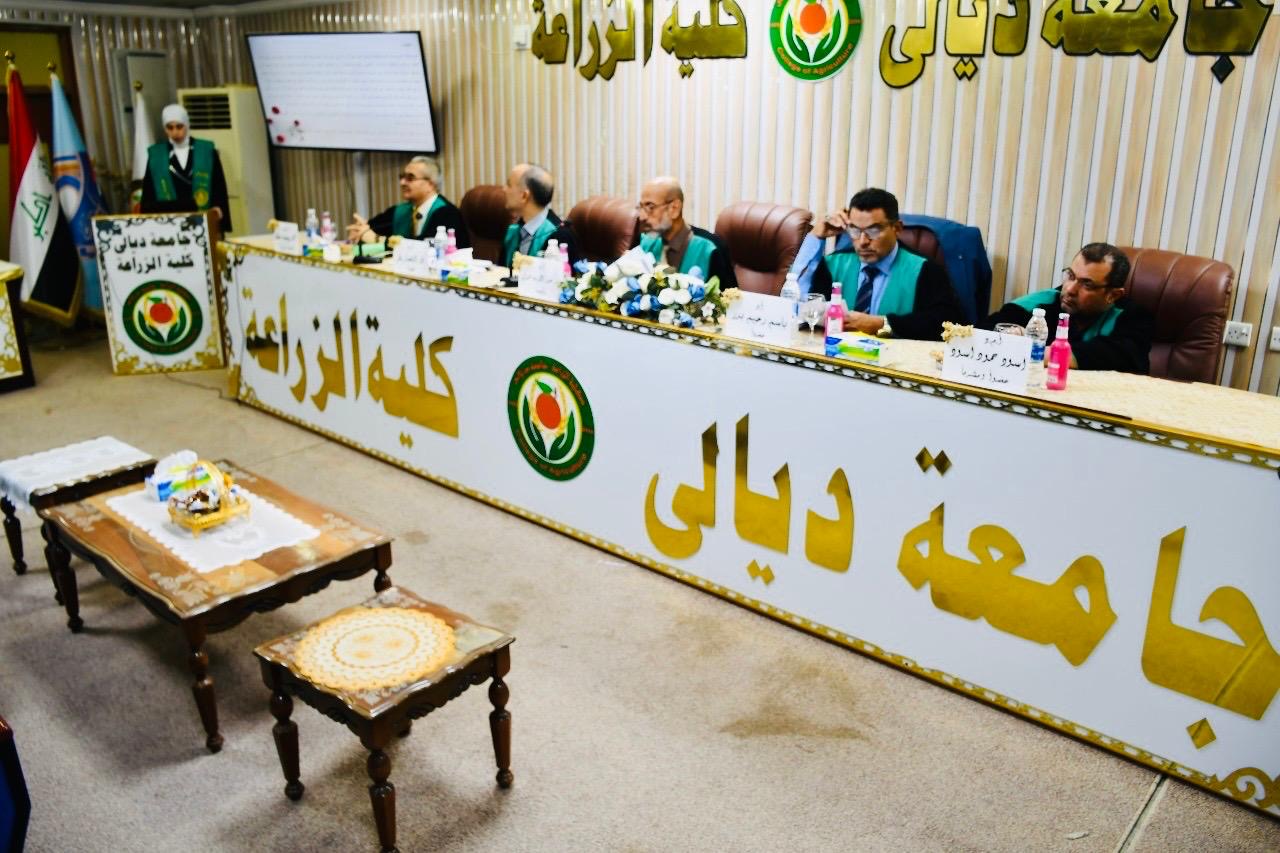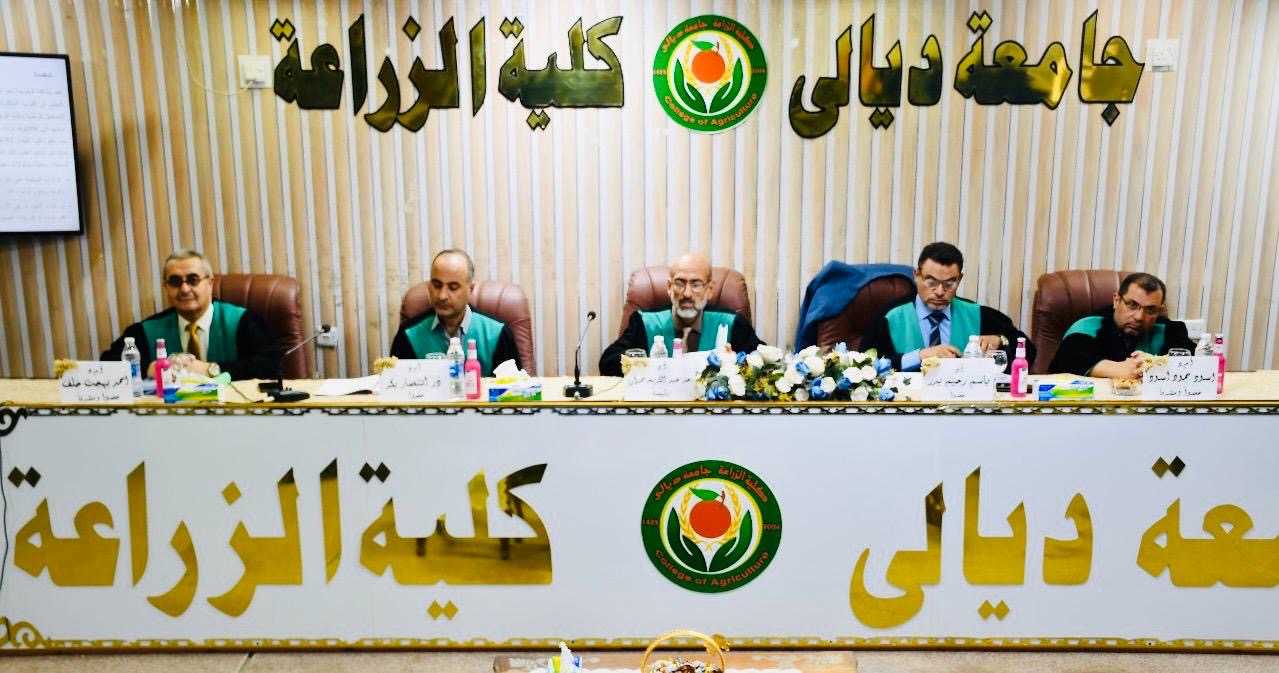
A Master’s Thesis at the College of Agriculture Examines the Impact of Saline Composition and Soil Characteristics on the Spectral Signature of Soils in the Northeastern Region of Bani Sa’ad Subdistrict.
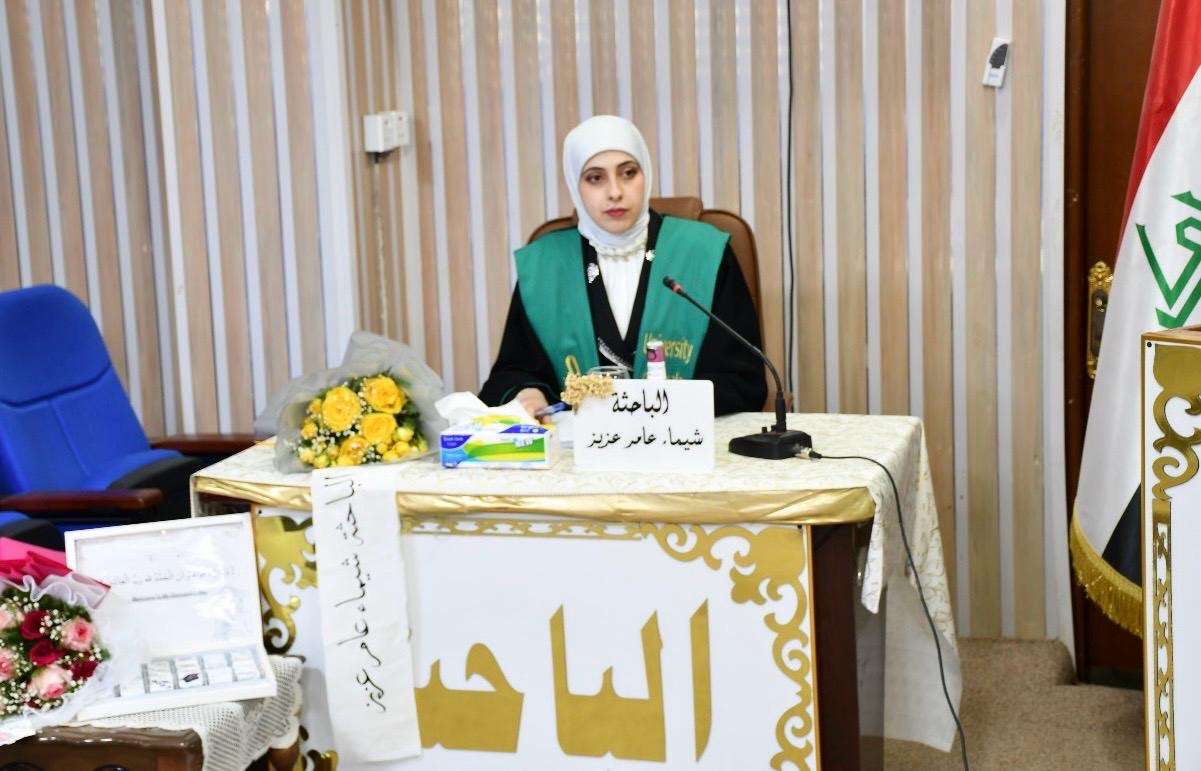
The College of Agriculture at the University of Diyala Discussed a Master’s Thesis Entitled:
“A Study of the Effect of Saline Composition and Soil Characteristics on the Spectral Signature of Soils in the Northeastern Region of Bani Sa’ad Subdistrict.”
The study, submitted by Shaimaa Amer Aziz, aimed to analyze the saline composition within the study area and examine the influence of this composition on key soil properties, including total calcium carbonate content and organic matter. Additionally, the research investigated the effect of soil salinity on specific spectral indices related to soil salinity content, namely NDSI (Normalized Difference Salinity Index), SAVI (Soil Adjusted Vegetation Index), and SI (Salinity Index).
The study yielded several important conclusions, including:
-
Climatic factors and the mismanagement of agricultural lands have significantly impacted the chemical properties of soils in the study area. There was also considerable variation in surface soil characteristics, parent material composition, and soil formation factors.
-
Reflectance values showed a clear sensitivity to surface soil conditions and revealed a relationship between soil properties, reflectance values, environmental factors, and soil-forming conditions. This suggests that spectral reflectance can serve as a predictive tool for assessing regional soil conditions and properties, given the observed variation in reflectance according to surface characteristics.
The study recommends the following:
-
Utilizing satellite data with higher spatial resolution than that provided by the U.S. Landsat satellite and its onboard OLI (Operational Land Imager) sensors, in order to achieve more precise soil analysis.
-
Monitoring the spread and distribution of salt-affected soils in agricultural regions, and seeking effective solutions to mitigate the growing salinization problem in the alluvial plains of Iraq.
-
Raising farmers’ awareness of modern irrigation techniques, such as sprinkler and drip irrigation systems, to minimize water waste. The adoption of these methods is considered among the most effective approaches to combating soil salinity.
-
Cultivating salt-tolerant crops that contribute to reducing salinity levels in the soil.