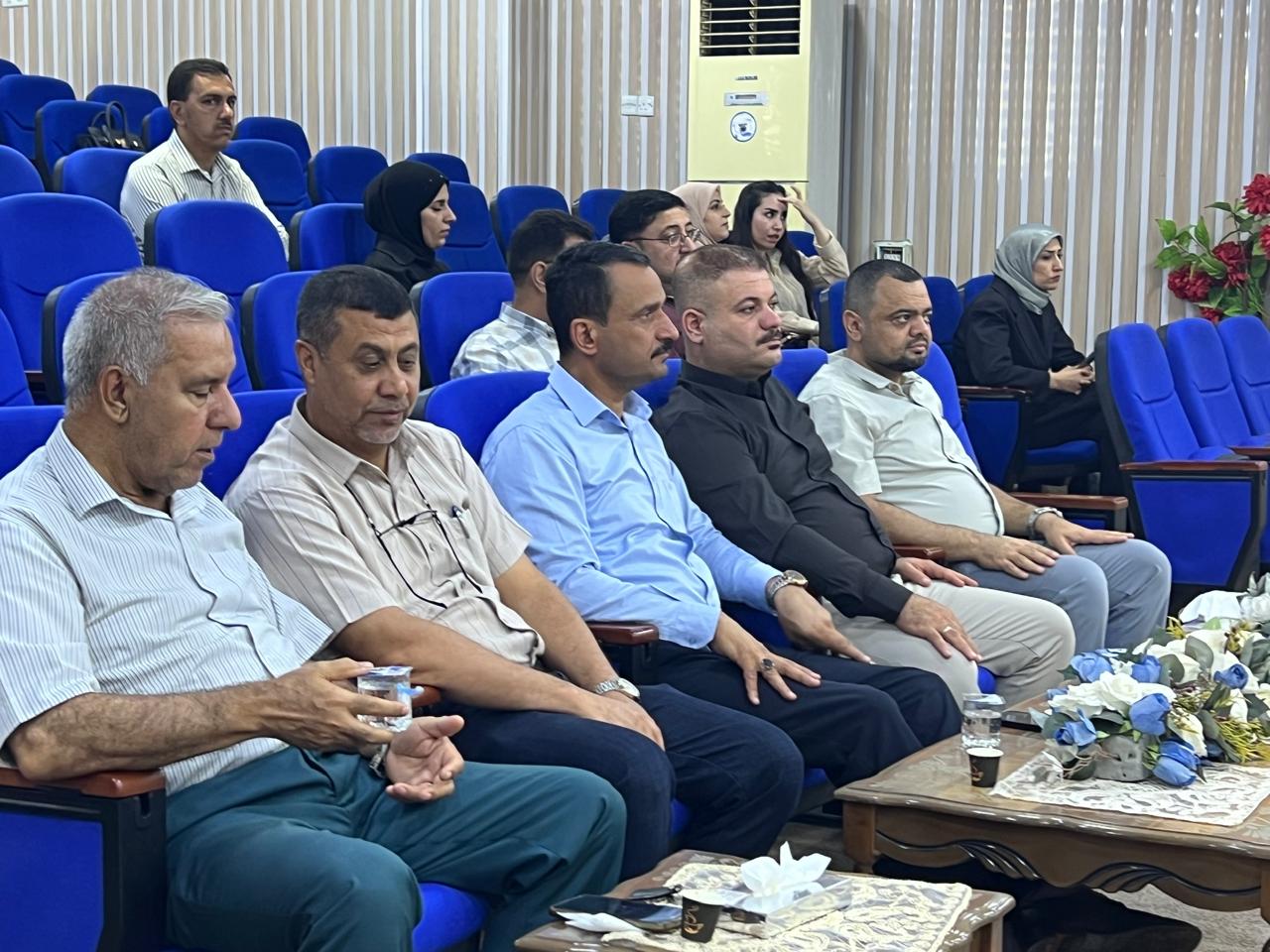
A Doctoral Dissertation at the College of Agriculture Investigates the Molecular Characterization of Pure Eggplant Lines and the Evaluation of the Performance of Their Single Cross Hybrids Using a Full Diallel Cross Under Protected Cultivation Conditions
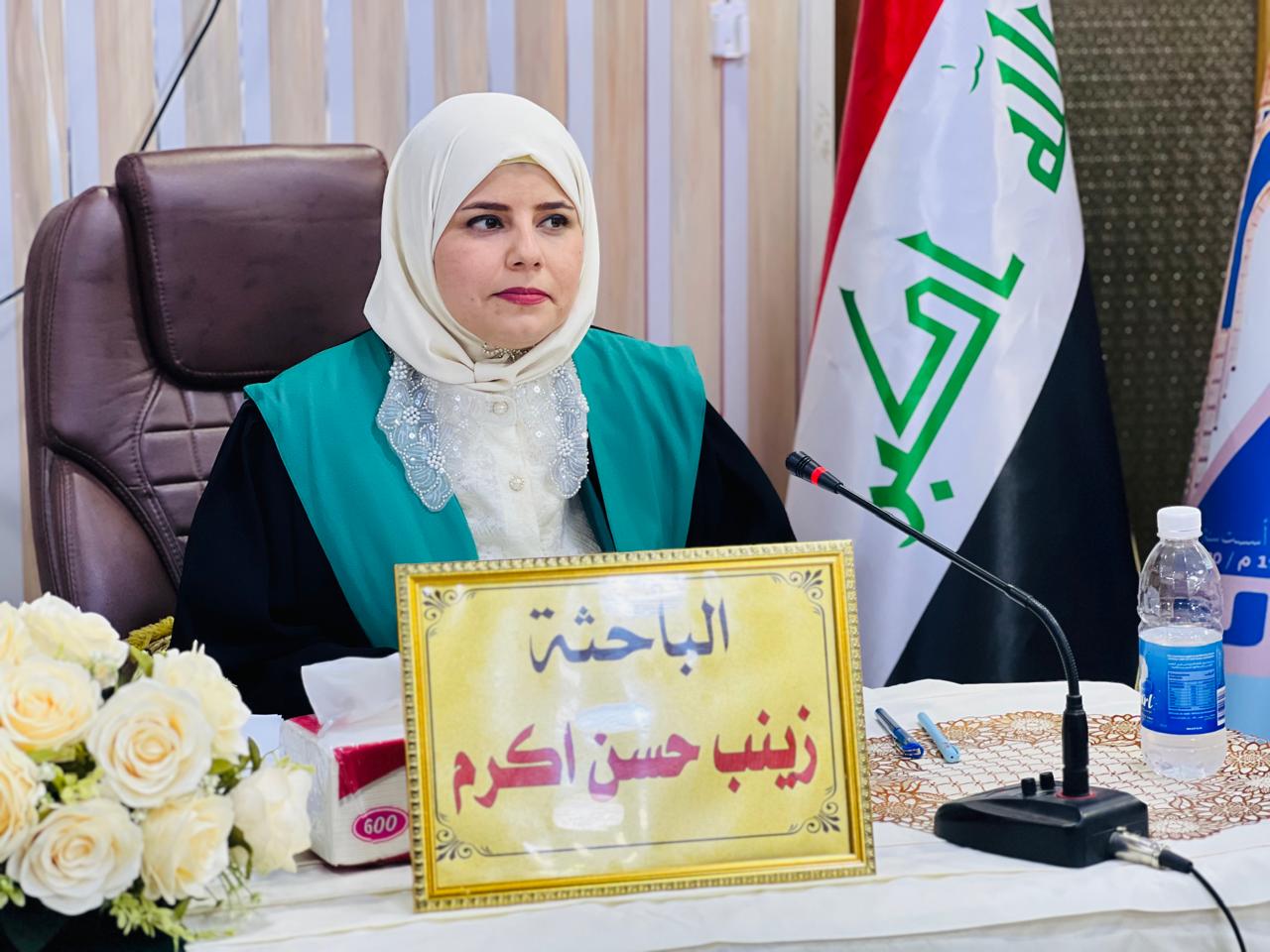
A Doctoral Dissertation at the College of Agriculture Investigates the Molecular Characterization of Pure Eggplant Lines and the Evaluation of Their Single-Cross Hybrid Performance Using a Complete Diallel Cross Under Protected Cultivation Conditions
The College of Agriculture at the University of Diyala discussed a doctoral dissertation entitled “Molecular Characterization of Pure Eggplant Lines and Evaluation of the Performance of Their Single-Cross Hybrids Using a Complete Diallel Cross Under Protected Cultivation Conditions.”
The study, submitted by doctoral researcher Zainab Hassan Akram, reached several conclusions, including the following:
- Cluster analysis using Jaccard’s similarity coefficient and the UPGMA method revealed that the pure lines were grouped into five distinct genetic clusters. The lines PG666 and T.A.G.N exhibited the highest degree of genetic divergence (0.9896), whereas the lowest degree of divergence was recorded between M.M. and AGD333 (0.8666). These findings provide a basis for selecting genetically divergent parents for hybridization programs.
- Combining ability analysis revealed the predominance of dominant and non-additive gene action for most of the traits investigated. Narrow-sense heritability (h²ₙ) values were lower than broad-sense heritability (h²ᵦ), indicating a substantial contribution of non-additive gene action, including dominance and epistatic effects. This suggests that hybridization may be a more effective breeding strategy than direct individual selection for improving the traits under investigation.
The study is consistent with Sustainable Development Goal 2 (Zero Hunger), as it focuses on improving agricultural productivity and crop quality through the molecular characterization of pure lines and the selection of superior hybrids, thereby potentially contributing to the development of higher-yielding eggplant hybrids.
The Study Recommended:
- Directing hybrid-breeding programs toward the utilization of hybrid (4 × 5) to achieve a high total yield, G6 as a male parent to improve vegetative traits, and hybrid (1 × 5) to develop early-maturing cultivars with a high fruit-set percentage.
- Investigating the genetic stability of promising hybrids by growing them over several seasons and at multiple locations and subsequently re-evaluating their performance, in order to verify their stability before recommending them for commercial cultivation.
- Evaluating the effects of environmental stresses, particularly heat, drought, and salinity, on promising hybrids to determine their adaptability to the diverse environmental conditions prevailing in different agricultural regions of Iraq.
#College_of_Agriculture #Sustainability_Is_Our_Approach